
Appeal forces regulator to follow proper procedure for animal test data requests
Our intervention helps ensure full scrutiny of demands for animal tests
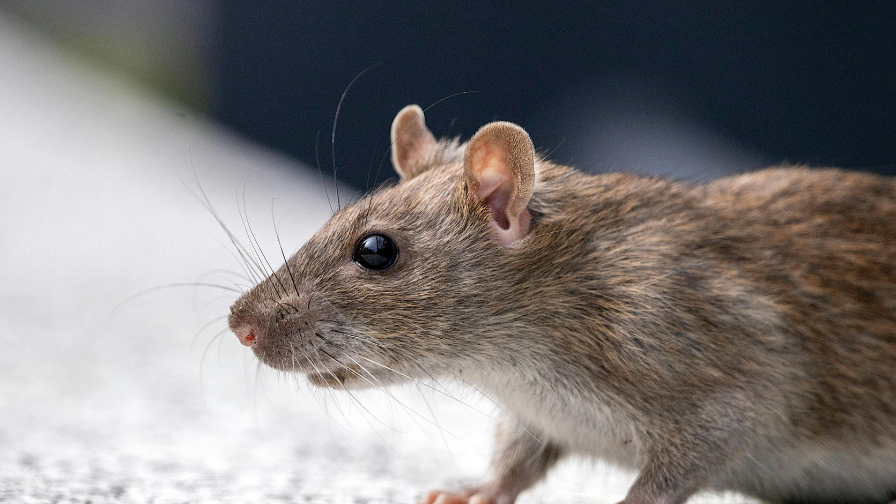
There will be tighter controls around the type and amount of animal testing which can be requested for chemical safety assessments in Europe after we intervened in Board of Appeal case at the European Chemicals Agency (ECHA).
The ECHA Board of Appeal agreed with Cruelty Free Europe that chemicals manufacturer Lanxess does not have to perform developmental neurotoxicity testing in rats for tris(methylphenyl) phosphate, a chemical commonly used as a flame retardant, an ingredient in plastics and adhesives, and in aircraft components.
Developmental neurotoxicity is a study to discover if a substance will harm a developing brain or nervous system.
In this test on rats, typically involving at least 880 animals, the substance is administered at least once a day to pregnant female rats so that their unborn pups are exposed to the substance. Once born, it is standard for some pups to be killed, and then the remaining animals are observed for symptoms such as convulsions, repetitive circling, self-mutilation, changes in breathing pattern, co-ordination of movement and aggression. Some pups may have a probe inserted into the brain whilst still alive, and at the end of the test all pups are killed and their brains and central nervous system tissues examined. The mothers are killed after weaning their offspring.
This case will undoubtedly lead to ECHA being required to adhere more closely to the limits of the testing laid out by Europe’s main chemicals law, REACH. Any decisions for non-standard tests on compliance checks would then be subject to greater scrutiny, as with those required in a Substance Evaluation procedure.
The case brought to ECHA’s Board of Appeal concerned test data which ECHA had demanded from Lanxess. We believed that ECHA had overstepped the limits of the type of additional test they can demand under a routine compliance check procedure. Instead, we believed that ECHA should have used the Substance Evaluation route to request the particular test in question, a procedure which involves a higher degree of scrutiny and justification for any test demanded by ECHA which goes beyond those laid-out by the regulation itself.
Importantly, this ECHA Board of Appeal case also clarified that, with additional tests, ECHA has an obligation to ensure its decisions under the compliance check procedure are proportionate to the likely outcome. This means that it must weigh the benefit hoped to be derived from the additional information given by the animal tests against factors such as cost, the number of animals to be used and the suffering they would experience, as well as whether the scientific objective could be achieved more easily by other means. ECHA failed to apply these criteria in this case.
Our Director of Science and Regulatory Affairs, Dr Emma Grange, said: “This is a significant result which establishes the limits around the amount and type of extra animal testing which ECHA can demand under Europe’s REACH regulation, a key piece of legislation which links animal testing to thousands of everyday consumer and industrial products. This will undoubtedly have a wider impact beyond the particular test involved in this case, with greater clarity that ECHA are required to scrutinise and justify this kind of test.
“We were very happy to intervene in this case. Even as we call for the regulations linked to animal testing to evolve, and look to the upcoming European Commission’s Roadmap to phase-out animal testing in chemical safety assessments to drive that evolution, the proper implementation of legislation in place today continues to be important means to ensure that animal tests are avoided wherever possible.”