
Latest figures show need for ambition in EU phase-out plans
Slow progress continues
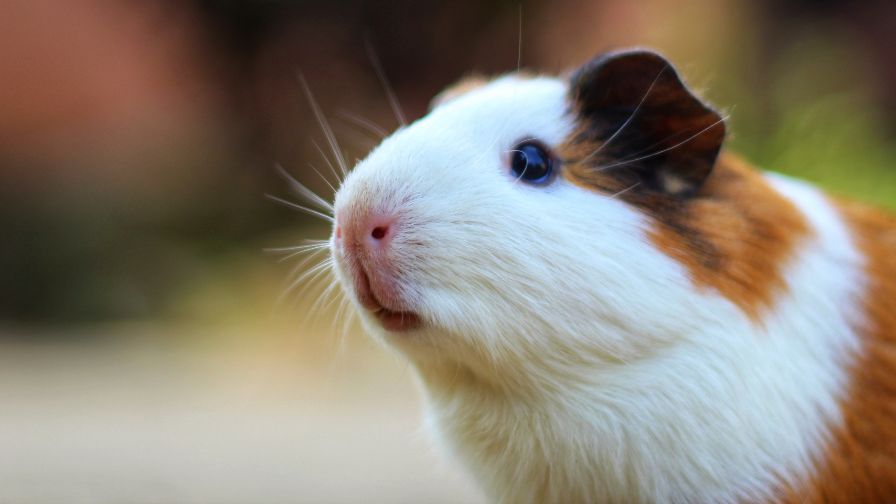
The release of 2023 statistics for animal testing in the European Union highlights the need for ambition and urgency in the implementation of the European Commission’s Roadmap for the phase-out of animal testing in chemical safety assessments, which is due to be published by the end of April.
European Commission statistics show that there were 9.1 million uses of animals in the EU and Norway in 2023, including uses in research and testing as well as creating and maintaining genetically modified animals. This is only a 3% decrease from 2022.
At 2.0 million, France carried out the most procedures using animals in the EU in 2023 – a fall of 4% since 2022. Norway conducted 1.6 million procedures, an increase of 12% since 2022 and which mostly involves uses of fish. Germany conducted 1.5 million procedures, a 16% decrease since 2022. Spain conducted 1.1 million procedures on animals, an increase of 2% on their 2022 total.
These top four countries accounted for 69% of the total number of uses of animals in the EU in 2023.
From 2022 to 2023, there was an overall 10% decrease in procedures reported to have caused ‘severe suffering’ and a decrease by 19% in procedures which caused moderate suffering (the second highest level of pain). Overall, the number of procedures causing moderate or severe suffering to the animals involved totalled 3.7 million in 2023.
From 2022 to 2023, there were increases in the uses of:
• Guinea pigs – up 7% to 92,574
• Cats – up 15% to 3,877
• Other carnivores – up 400% to 5,204
• Fish – up 8% to 2.9 million
• Cephalopods – up 162% to 7,068 There were also decreases in the uses of:
• Mice – down 6% to 4.5 million
• Rats – down 7% to 602,447
• Dogs – down 8% to 13,227
• Monkeys – down 23% to 5,861
• Horses – down 38% to 3,154 There was an increase in some of the tests included our RAT (Replace Animal Tests) List – a list of regulatory tests that have accepted and reliable non-animal replacements and could be ended immediately. For example, there has been a 10% increase in the use of animals for the routine production of antibodies from 2022 to 2023. This includes nearly 36,000 animals used in the cruel ascites method. The European Commission is expected to publish its Roadmap for the phase-out of animal testing in chemical safety assessments before the end of April 2026. Development and publication of the roadmap was a commitment made in response to Cruelty Free Europe’s 2021 European Citizens’ Initiative, ‘Save Cruelty Free Cosmetics – Commit to a Europe Without Animal Testing’, which was signed by over 1.2 million people. We have been directly involved in the working groups which drafted the Roadmap. The disappointing trend in animal testing statistics underlines how a plan to phase-out animal testing is needed more urgently than ever. We are particularly concerned that requirements for animal testing in the EU may even increase, depending on what revisions may be made to the main EU chemicals law, REACH (Registration, Evaluation, Authorisation and Restriction of Chemicals) and the EU Cosmetic Products Regulation (CPR), through which the bans on animal testing for cosmetics are set. The CPR has already been undermined and weakened by the way it has been implemented in the EU, with precedence being given to the REACH regulation when deciding whether ingredients used exclusively in cosmetics products should be subject to animal testing. Our Head of Public Affairs, Dylan Underhill, said: “These latest statistics show how important it is for the European Commission to strengthen its work to end animal testing in Europe. Whilst the number of animals used in science has been slowly decreasing in recent years, progress has stalled. Now we need bold strategies and clear implementation plans, with concrete timelines and milestones, to bring about the transformative change that European citizens want. Without this, we will be condemned to never-ending stagnation and insufficient reductions. We welcome the promise of a roadmap to bring about the full phase-out of animal testing for chemicals, medicines and cosmetics. Animal testing is simply not good science, yet it continues as the default method for testing the safety of everyday products. It is high time for Europe to evolve past cruel and outdated animal testing.”
• Guinea pigs – up 7% to 92,574
• Cats – up 15% to 3,877
• Other carnivores – up 400% to 5,204
• Fish – up 8% to 2.9 million
• Cephalopods – up 162% to 7,068 There were also decreases in the uses of:
• Mice – down 6% to 4.5 million
• Rats – down 7% to 602,447
• Dogs – down 8% to 13,227
• Monkeys – down 23% to 5,861
• Horses – down 38% to 3,154 There was an increase in some of the tests included our RAT (Replace Animal Tests) List – a list of regulatory tests that have accepted and reliable non-animal replacements and could be ended immediately. For example, there has been a 10% increase in the use of animals for the routine production of antibodies from 2022 to 2023. This includes nearly 36,000 animals used in the cruel ascites method. The European Commission is expected to publish its Roadmap for the phase-out of animal testing in chemical safety assessments before the end of April 2026. Development and publication of the roadmap was a commitment made in response to Cruelty Free Europe’s 2021 European Citizens’ Initiative, ‘Save Cruelty Free Cosmetics – Commit to a Europe Without Animal Testing’, which was signed by over 1.2 million people. We have been directly involved in the working groups which drafted the Roadmap. The disappointing trend in animal testing statistics underlines how a plan to phase-out animal testing is needed more urgently than ever. We are particularly concerned that requirements for animal testing in the EU may even increase, depending on what revisions may be made to the main EU chemicals law, REACH (Registration, Evaluation, Authorisation and Restriction of Chemicals) and the EU Cosmetic Products Regulation (CPR), through which the bans on animal testing for cosmetics are set. The CPR has already been undermined and weakened by the way it has been implemented in the EU, with precedence being given to the REACH regulation when deciding whether ingredients used exclusively in cosmetics products should be subject to animal testing. Our Head of Public Affairs, Dylan Underhill, said: “These latest statistics show how important it is for the European Commission to strengthen its work to end animal testing in Europe. Whilst the number of animals used in science has been slowly decreasing in recent years, progress has stalled. Now we need bold strategies and clear implementation plans, with concrete timelines and milestones, to bring about the transformative change that European citizens want. Without this, we will be condemned to never-ending stagnation and insufficient reductions. We welcome the promise of a roadmap to bring about the full phase-out of animal testing for chemicals, medicines and cosmetics. Animal testing is simply not good science, yet it continues as the default method for testing the safety of everyday products. It is high time for Europe to evolve past cruel and outdated animal testing.”